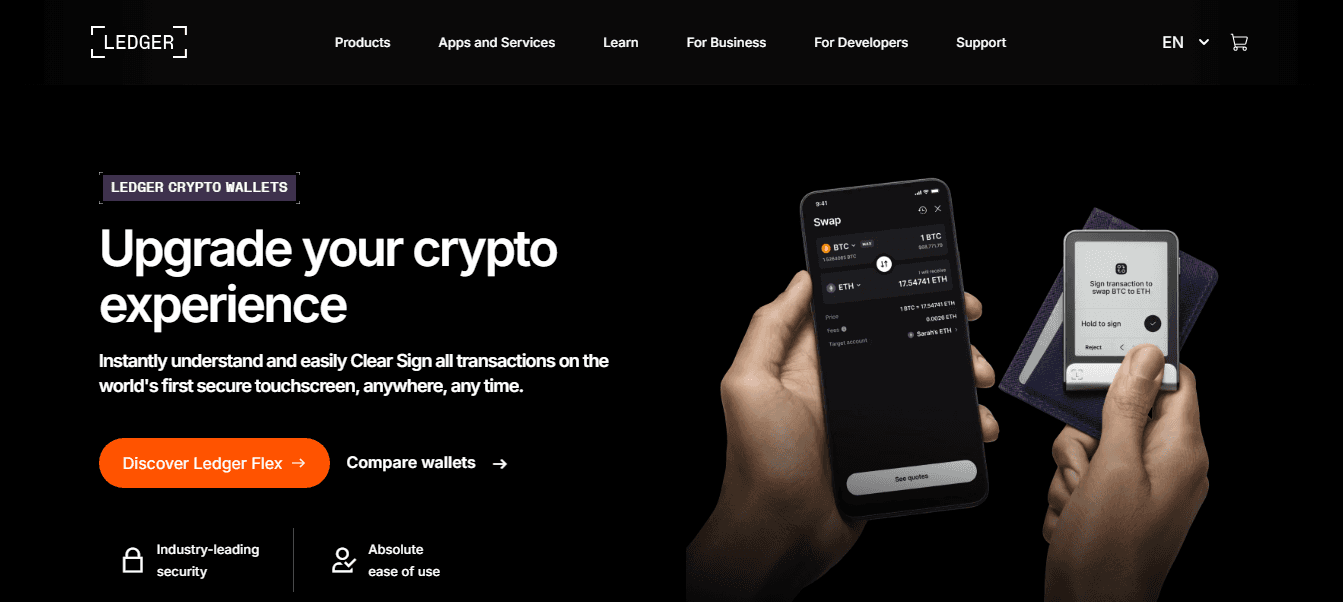
Ledger Login: Secure Access to Your Cryptocurrency Wallet
Introduction
In today’s digital world, cryptocurrencies have become a valuable form of investment, making secure access to digital assets more important than ever. Ledger login is the process that allows users to access their Ledger hardware wallets and the Ledger Live application safely. This login process ensures that only authorized individuals can manage their cryptocurrency holdings, providing both security and peace of mind.
By combining the security of a hardware wallet with the convenience of Ledger Live, users can securely send, receive, and manage cryptocurrencies. Understanding how to properly log in to your Ledger wallet is essential for protecting your assets and maintaining control over your digital portfolio.
What is Ledger Login?
Ledger login is the method by which users gain access to their Ledger wallet and the Ledger Live interface. Ledger Live serves as a bridge between the user and the blockchain, allowing for secure management of digital assets. During login, the system verifies the user’s identity, ensuring that only those with the correct credentials can access private keys and accounts stored on the hardware wallet.
Unlike online wallets, Ledger hardware wallets do not store private keys in the cloud. Ledger login provides a secure gateway, allowing users to manage their cryptocurrency while minimizing exposure to online threats.
Why Ledger Login is Important
Protecting Your Assets
Ledger login protects your cryptocurrency from unauthorized access. Only users with the correct PIN and recovery information can log in and manage funds, making it difficult for hackers or malicious actors to compromise your wallet.
Secure Portfolio Management
Accessing Ledger Live through Ledger login allows users to view balances, track transactions, and manage multiple accounts. Without secure login, monitoring and managing cryptocurrency holdings would not be safe or efficient.
Preserving Privacy
Ledger login ensures that sensitive personal and financial information remains private. The hardware wallet and Ledger Live work together to minimize the exposure of data, providing a secure and confidential way to interact with blockchain networks.
Components Required for Ledger Login
Ledger Hardware Wallet
The Ledger hardware wallet, such as the Nano S or Nano X, is essential for login. It securely stores private keys offline and verifies all transactions on the device, preventing unauthorized access even if a computer is compromised.
Ledger Live Application
Ledger Live is the official software used to access your Ledger hardware wallet. It provides the interface for login, portfolio management, and executing transactions. Ledger Live is available for desktop and mobile devices.
PIN Code and Recovery Phrase
Logging in requires entering a PIN code on your hardware wallet and, when necessary, using the recovery phrase. The PIN protects against unauthorized access, while the recovery phrase enables wallet restoration in case the hardware device is lost or damaged.
How to Log in to Ledger
Step 1: Install Ledger Live
Begin by downloading and installing Ledger Live on your device. The application provides step-by-step guidance to ensure secure setup and configuration.
Step 2: Connect Your Hardware Wallet
Connect your Ledger device to your computer or mobile device using USB or Bluetooth (for Nano X). Ledger Live will detect the hardware wallet and prompt you to begin the login process.
Step 3: Enter Your PIN Code
Input your PIN code directly on the Ledger device. The PIN ensures that only authorized users can access the wallet. Choose a unique, strong PIN to enhance security.
Step 4: Open Ledger Live
After successful PIN entry, open Ledger Live to access your cryptocurrency portfolio. The application will synchronize with blockchain networks to display balances and transaction history.
Step 5: Verify Accounts
Ledger Live will display all cryptocurrency accounts linked to your hardware wallet. Users should confirm that balances and account details match expectations to ensure a secure login session.
Security Best Practices for Ledger Login
Keep Your Recovery Phrase Safe
The 24-word recovery phrase is vital for restoring access if the device is lost or stolen. Store it offline in a secure location and never share it. The recovery phrase is crucial for ensuring your assets remain accessible and safe.
Avoid Public Networks
Always perform Ledger login on private and secure networks. Public Wi-Fi or untrusted networks can expose your login session to hackers.
Regularly Update Ledger Live
Keep the Ledger Live application and firmware on your hardware wallet updated. Updates improve security, fix vulnerabilities, and ensure compatibility with the latest blockchain features.
Enable Passphrase Protection
A passphrase adds an additional layer of security by creating a hidden wallet. Even if someone gains physical access to your device, the passphrase ensures unauthorized users cannot access your funds.
Confirm Transactions on Device
Always review and confirm transactions directly on your Ledger hardware wallet. Ledger login ensures private keys never leave the device, preventing malware or phishing attacks from compromising transactions.
Common Issues with Ledger Login
Forgotten PIN Code
If the PIN code is forgotten, the device will be locked. Assets are not lost, as they can be restored using the recovery phrase on a new hardware wallet.
Lost Hardware Wallet
If your hardware wallet is lost, funds can still be accessed using the recovery phrase on a new Ledger device. Ledger login via recovery phrase ensures continued access to your assets.
Synchronization Problems
Ledger Live may occasionally experience synchronization issues. Restarting Ledger Live, reconnecting the hardware wallet, or updating the software often resolves these problems.
Benefits of Ledger Login
Secure Access to Assets
Ledger login ensures that only authorized users can access cryptocurrency accounts. Hardware wallet confirmation, PIN codes, and passphrases provide a strong security framework.
Full Control and Privacy
By logging in to Ledger, users maintain control over private keys and transactions. Ledger does not store sensitive data online, keeping user information private.
Efficient Portfolio Management
Ledger login provides access to Ledger Live, where users can manage multiple accounts, track balances, and review transaction history efficiently.
Verified Transactions
Every transaction must be confirmed on the hardware device, ensuring that funds are only moved with the user’s consent. Ledger login helps prevent unauthorized or fraudulent transfers.
Ledger Login on Mobile Devices
Mobile Ledger Live
Ledger Live is available for mobile devices, allowing users to log in and manage assets on the go. The login process mirrors the desktop experience, requiring PIN entry and device verification.
Bluetooth Connectivity
Ledger Nano X supports Bluetooth for mobile access. Users can securely log in without a physical connection, providing convenience while maintaining hardware-level security.
Mobile Security Considerations
When using Ledger Live on mobile, ensure the device is updated, free from malware, and connected to a secure network. These precautions reduce the risk of unauthorized access during login.
Conclusion
Ledger login is a critical step for secure cryptocurrency management. By combining Ledger hardware wallet security with the Ledger Live application, users gain full control over their assets while minimizing exposure to online threats. The login process ensures private keys remain offline, while PIN codes and recovery phrases provide robust protection.
Understanding how Ledger login works, following best security practices, and keeping recovery information safe are essential for anyone managing digital assets. Whether accessing Ledger Live on desktop or mobile, Ledger login provides a secure, reliable, and user-friendly gateway for managing cryptocurrency portfolios with confidence.